The New Dietary Guidelines for Americans – Change for the Better?
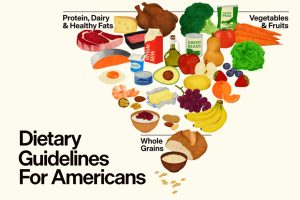
As much as they do not apply to us directly here in the UK, the publication of new dietary guidelines in the United States is always of interest. That is particularly true this time round, given the significant shift in the nature of these recommendations compared to past versions.
It is also worth bearing in mind that the previous US guidelines were fairly consistent with the UK guidelines, so any major changes result in there being significant differences between the US and UK too.
With this in mind, this month’s blog takes a look over the new Dietary Guidelines for Americans, and considers whether we would be better off if the UK took a similar approach.
A Major Shift in Perspective
Dr Sean Wheatley, X-PERT Health’s Science & Research Lead, examines the recent Dietary Guidelines for Americans in the context of decades-long nutrition debates. The key change? A clear emphasis on real, recognisable foods — defined as whole or minimally processed items with few ingredients and no unnecessary additives. This new framing contrasts with previous guidance and aligns closely with the core principles we advocate at X-PERT Health.
What’s New in the Guidelines
🔹 The updated pyramid flips traditional advice on its head — with higher priority on quality protein sources, healthy fats, fruits and vegetables, and less emphasis on refined carbohydrates.
🔹 Even though specific serving targets are less prescriptive, the core message is clear: build meals around nutrient-dense choices that support long-term health.
🔹 The guidelines also make avoiding highly processed foods a central priority — a message that echoes growing global concern about ultra-processed diets and chronic disease.
Looking Ahead — Could the UK Follow Suit?
The UK’s current public health guidance is valuable, but the changes in the US offer a reminder: nutrition advice must evolve with emerging science and real-world dietary patterns. The shift toward food quality and flexibility may provide helpful direction as we continue to support people in making healthier choices.
